 Brucella Policy
By Hope Veterinary Surgery on Monday, 17th August 2026
Brucella Policy
Client Notice
Hope Veterinary Surgery
This policy is aimed at dogs who have been rescued/rehomed from abroad or have recently travelled abroad.
This does include all dogs from abroad. Some countries are higher risk than others-see below!
Brucella Canis: this is a bacterium that can pass between dogs and to humans! It can have huge impacts on health for both dogs and people (without any obvious symptoms!). Exposure to Brucella can lead to miscarriage and fertility problems, heart disease, arthritis etc. It is classed as a notifiable disease to ...
Read More
 Pet Dentistry
By Hope Veterinary Surgery on Friday, 3rd February 2023
Pet Dentistry
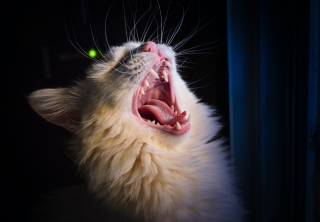
Did you know we have a whole month dedicated to pet dentistry! February is National Pet Dental Health Month. This is to highlight how important is it to look after your pets mouth.
Why?
Looking after your pet’s month may prevent the following:
Bad breath
Tartar/plaque build up
Sore gums (you may hear the vets say your pet has gingivitis!)
Retained baby teeth
Fractured teeth
Abscesses
Periodontal disease (inflammation/infection in the mouth)
Bleeding gums
Loose teeth
Tooth loss
Secondary ...
Read More
 The newly adopted rescue dog: preventing problems
By Hope Veterinary Surgery on Thursday, 13th January 2022
Bringing home a new dog is exciting and fun, but remember that your home is a big change from life in the rescue centre and this can be stressful to the new dog. Most dogs appear calmer and quieter than normal for the first few days to weeks. After this ‘honeymoon’ period is over, a different version of your dog may emerge; this new dog may be more destructive, boisterous, and seeking of attention. Many of these problems can be prevented by following these recommendations.
Create a structured routine for your dog
A consistent schedule may help your dog to settle ...
Read More
 Treating separation anxiety in dogs
By Hope Veterinary Surgery on Thursday, 13th January 2022
Treating separation anxiety can be a long and slow process. But any work to towards a more confident and relaxed dog will be beneficial. Consistency throughout the household will also help. You can only move at the speed your dog is happy at. If you are planning to start a behaviour program for separatin anaxiety, plan a long time peroid where you do not have to leave your pet alone at all, even if you ask family/friends or a neighbour to help during this peroid.
Changing how you leave home, changing your interactions with your dog and uncoupling departure cues from actual ...
Read More
 Treating a fear of car journeys using desensitization and counter-conditioning
By Hope Veterinary Surgery on Thursday, 13th January 2022
Fear of a specific activity, such as a car journey, can be treated using a desensitization and counter-conditioning (DSCC) programme. In simple terms, your pet must be exposed to the fearful stimulus in such a way that he/she sees there is nothing to fear, and settles down. If the association with the stimulus can be turned into one that is positive, your pet may actually develop a positive attitude to the occurrence.
Preparation
Prevent your pet from travelling in the car except during training sessions, unless essential for health reasons.
Setbacks may occur if your pet ...
Read More
 Treating a fear of the veterinary clinic using desensitization and counter-conditioning
By Hope Veterinary Surgery on Tuesday, 11th January 2022
Fear of a specific place, such as the veterinary clinic, can be treated using a desensitization and counter-conditioning (DSCC) programme. In simple terms, your pet must be exposed to the fearful stimulus in such a way that he/she sees there is nothing to fear, and settles down. The hope is to turn the negative association into a positive one!
Avoid taking your pet to the clinic unless it is part of the structured training programme or, of course, a medical necessity. Setbacks may occur if the pet is suddenly in need of medical attention, but its welfare must not be ...
Read More
 Cognitive dysfunction syndrome
By Hope Veterinary Surgery on Tuesday, 11th January 2022
Behaviour problems in senior pets
These can be due to a wide variety of medical conditions, including pain, sensory decline, or any disease that affects the nervous system. Behaviour problems may also be attributed to age-related degeneration within the brain known as cognitive dysfunction syndrome (CDS), or can arise from changes in the household or environment to which it may be difficult for senior pets to adapt. Early detection provides the best opportunity for resolving problems, preventing complications or slowing decline.
Prevening problems - what you can do
For ...
Read More
 Adopting a rescue dog: the pros and cons
By Hope Veterinary Surgery on Tuesday, 11th January 2022
Many people choose dogs from rescue organizations or animal shelters. Others avoid rescue dogs, due to worries about the dog’s health or behaviour.
Here are some points to think about when adopting a dog from a reputable animal shelter or rescue group.
Breeds
By adopting a mixed-breed dog from a shelter, you might be reducing the risk of medical problems which are associated with purebreds.
Pedigree dogs are also often available at shelters, but popular breeds may be difficult to acquire.
You may have less background information available. ...
Read More
 Introducing a new cat into the household
By Hope Veterinary Surgery on Tuesday, 11th January 2022
Introducing a new cat to a home where cats already live can lead to severe disruption and upset if done without planning and control.
The introduction process may take only days but can be as long as several months. Following a specific protocol will help make the introduction as trouble-free as possible.
Many cats in a multi cat household will only ever simply tolerate each other. This is absolutely fine so long as each cat is happy and content. It may happen where cats progress so well that they will groom each other and sleep together but this is a BIG target so never force this....
Read More
 Flea and Parasite Treatments Available at Hopes
By Hope Veterinary Surgery on Friday, 7th January 2022
To help meet the needs of the pet and to maintain an effective control against parasties treatments are constantly changing. Here's a few availble at Hope Veterinary Surgery, please phone and speak to one of our lovely staff members for more information.
BRAVECTO: A spot-on (for cats and dogs) or tablet (for dogs) treatment that lasts for three months!!!
Bravecto treats both fleas, ticks and some mites.
BRAVECTO PLUS: A three monthly spot-on for cats
Bravecto plus treats: fleas, ticks, some mites and roundworms!
...
Read More
 Tick Fact File
By Hope Veterinary Surgery on Friday, 7th January 2022
Tick numbers are on the increase!
Ticks hide in the undergrowth of our countryside and parkland and when they sense an animal pass by, they hop on board to feed on its blood. Ticks are not worried if it's your pet or you they latch onto.
Tick saliva contains an anaesthetic so your pet or will not feel them bite and neither will you. Once fed they will fall off into the environment again (this includes your house!).
TICKS ARE A HEALTH RISK! Ticks can spread diseases to humans as well as other animals!
Common tick borne diseases include:
Lyme Disease: ...
Read More
 Top ten tips to keep your pets happy during the fireworks season
By Hope Veterinary Surgery on Friday, 7th January 2022
Fireworks can effect cats and dogs alike. Not only the noise but even the flashing of the displays can cause alarm. Pets can show stress in a vartiety of ways. Here's our ten tips to help reduce your pets stress during fireworks:
Provide a den or comfortable hiding place for your pet.
Ideally get your pet accustomed to this before firework season. Food and toys can be used. Ideally it needs to be somewhere quiet and dark. This doesn’t have to be separate from the family as this may cause even more stress.
Use a pheromone treatment.
...
Read More
 Pet Microchipping
By Hope Veterinary Surgery on Friday, 7th January 2022
Microchips are small implants that are placed under the skin between the shoulder blades (however, they can ove around a little and this is normal). They are individual implants that once scanned by a microchip reader will show a long number. This number is a unique number to your pet. The number will be registered to a data base which stores your information. It is vital you keep your details up date with the data base company as well as the vets. This will help to reunite you to your pet should anything happen.
Dogs
On 6th April 2016 it became law for all dogs to be ...
Read More
 Vaccinations
By Hope Veterinary Surgery on Friday, 7th January 2022
It is very important that all new puppies and kittens receive a primary course of vaccinations to protect them against a number of potentially life threatening diseases.
Dogs - Puppies are vaccinated at 8 to 10 weeks of age (some are done at six weeks of age but this is not overly recommened). They are routinely vaccinated against Parvovirus, Leptospirosis, Distemper and Hepatitis. We also recommend adding in the Kennel Cough vaccination. we can now offer this in a variety of forms, not just 'up he nose'.
Please ensure that your new puppy does not come into contact with ...
Read More
 Worming
By Hope Veterinary Surgery on Friday, 7th January 2022
It is important to consider what worms your pet may be at risk of infection from. Some types of worming treatment will only treat against some and not others. for example, tapeworms versus roundworms. In practice we frequently use a tablet version called Milpro. This is because it effectively treats all worms. We do not recommend pet shop brand womrers as many are not as effective.
Dogs
We recommend worming puppies every month unitl at least six months old. From then it will vary slightly, depending on the product used and how at risk your dog is, but we would recommend at ...
Read More
 Multi-cat households
By Hope Veterinary Surgery on Friday, 1st October 2021
Many owners have more than one cat at home. Cats that are related, or that have been together since kittenhood, are more likely to get on than cats that have been introduced as adults. There are several things you can do to make it easier for your cats to live in harmony. Many cats may simply tolerate each other in the same house.
Space
Make sure that there is sufficient space for your cats both horizontally and vertically.
Cats like to climb and spend a lot of their time off the floor on raised surfaces, such as shelves placed at different heights, window sills, cat ...
Read More
 Puppy socialization: getting used to new people
By Hope Veterinary Surgery on Tuesday, 28th September 2021
Puppy Socialisation
The most beneficial time for pups to learn positive interaction is roughly from 3 weeks of age to 12 weeks of age. Much of what the pup is exposed to will happen around their litter mates and mum. There are a lot of potentially scary new things for your pup to learn. Often simple day to day things are all learnt with the breeder but get imaginative and build up a positive set of experiences.
New people, think outside the box- hi vis vests, masks, helmets, large coats! If possible, ask these people to get your pup to sit and take a treat/toy. Start by letting ...
Read More
 Neutering
By Hope Veterinary Surgery on Tuesday, 28th September 2021
We strongly recommend that you neuter your puppy/kitten when they reach a suitable age and stage in their development.
Dogs - Male dogs can be castrated from 6 months of age. If you have a large breed we recommend waiting until roughly adult weight. If your dog has only one or no descended testicles then castration is particularly recommended as they are at a greater risk of getting cancer later in life. There are other health benefits too, such as reducing the chance of prostatic disease.
Bitches - Female dogs will have their first season from 6-18 months of age. We recommend you ...
Read More
 Your puppy’s first year
By Hope Veterinary Surgery on Thursday, 23rd September 2021
Giving your puppy the right experiences in his/her first year of life will build a firm foundation for good behaviour in the future.
Toilet training
Use a range of places, such as grassed areas, concrete, areas with or without trees and plants. Puppies toilet trained only on newspaper or on grass may develop a preference for this and refuse to use alternatives, causing difficulties if travelling or being kennelled.
Vary the routine and vocal cues. Dogs trained always to go at certain times, or after specific visual or vocal cues, can experience problems when routines are ...
Read More
 Avoiding urine marking by cats
By Hope Veterinary Surgery on Thursday, 23rd September 2021
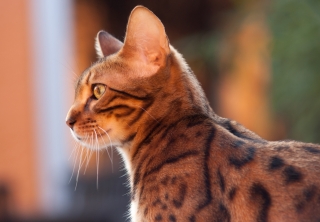
There are some practical steps that you can take to help stop your cat urine marking in your house.
First step make sure there are no underlying conditions by booking an appointment with the vet.
Neutering
Arrange for all cats in the home to be neutered.
Reduce conflict or stress
In multi-cat households, resources such as feeding stations, water sources, litter trays and resting perches should be plentiful and distributed throughout the environment. There should always be as many resource stations as there are cats, plus one additional resource station.
...
Read More
 Pet Insurance
By Hope Veterinary Surgery on Tuesday, 31st August 2021
We all know owning a pet is one of the best feelings, most of us treat them like family! However, especially after COVID, when something goes wrong it can get expensive.
We do not recommend any insurance company above others, but suggest you do your research. Please only look for ‘life time cover’ insurance. Always read the fine print. There will be excesses to pay and often later on in your pet’s life, some insurances will ask for an additional percentage for you to pay. Check the level of cover you are taking out. Is there a maximum fee? Is this fee per condition or ...
Read More
 Travelling to the EU or Northern Ireland
By Hope Veterinary Surgery on Tuesday, 31st August 2021
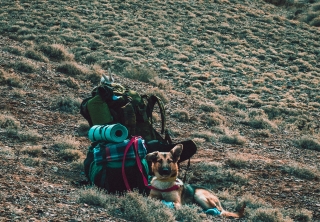
Finally as restrictions are lifted we are able to start going abroad! However Post-Brexit has changed how pets are allowed to travel. For full details visit: https://www.gov.uk/taking-your-pet-abroad .
Pet Passports issued in Great Britain are no longer used to travel from Great Britain to EU countries or Northern Ireland. Pet Passports issued from the EU or Northern Ireland can still be used for travel.
When travelling your pet needs:
A microchip placed or read before any rabies vaccination
A valid rabies vaccination at least 21 days before certification (pet to be ...
Read More
 Fly Strike in Rabbits
By Hope Veterinary Surgery on Saturday, 21st August 2021
Fly Strike in Rabbits
THIS IS AN EMERGENCY CONDITION
Fly strike can be a devastating condition for rabbits. Flies are attracted to damp fur soiled with urine and faeces on the rabbit and begin to lay eggs. These eggs hatch within hours into maggots, which feed on the rabbits flesh and grow rapidly. Rabbits can literally be ‘eaten alive’. If you suspect you have see maggots on or around your rabbit please phone the surgery for an emergency appointment!
Symptoms
Flies around hutch, especially in summer
Lethargic rabbit Rabbit eating and pooing less
...
Read More
 Handling exercises for puppies and kittens
By Hope Veterinary Surgery on Thursday, 12th August 2021
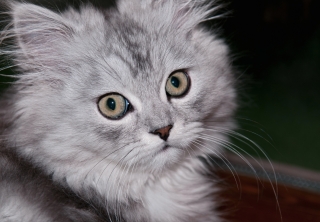
A pet needs to learn to accept, and look forward to, all the types of handling it will encounter throughout its life. Family members should introduce the pet to brushing, bathing, nail trims, and other types of procedures in a calm way, without causing any anxiety or resistance. The goal is to show your pet that handling is a good thing and should not cause excitement, fear or anxiety.
Pick a time when your pet is relaxed, and already quiet and calm; not after play or before meals when he/she is aroused.
Handling exercises should be practised without using any type of force ...
Read More


